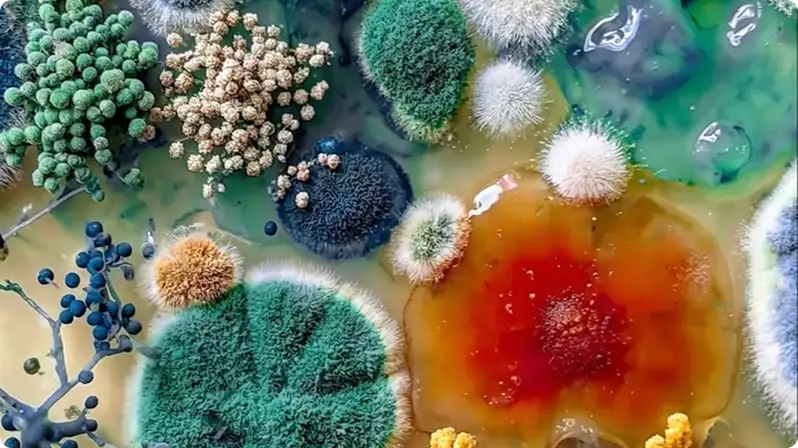
With targeted strain improvement and continuous optimization of fermentation processes, the production capacity of core biological pigments such as carotenoids and bio-indigo has significantly increased, and production costs have further decreased.
1. Production Capacity and Efficiency
Significant improvements have been made in metabolic flux regulation and high-density fermentation technology. The unit yield of β-carotene in China has increased 4 times compared to 2020, reaching 8.7g/L; pilot production of synthetic bio-indigo remains stable at 30-40g/L, providing essential data for large-scale manufacturing.
2. Industrial Significance
The breakthrough in large-scale production capacity enables biological pigments to compete with traditional chemical products in industries such as textiles, food, and cosmetics, and the process of green substitution is significantly accelerated.